
Vaccinations
Gardasil 9 & Gardasil 4
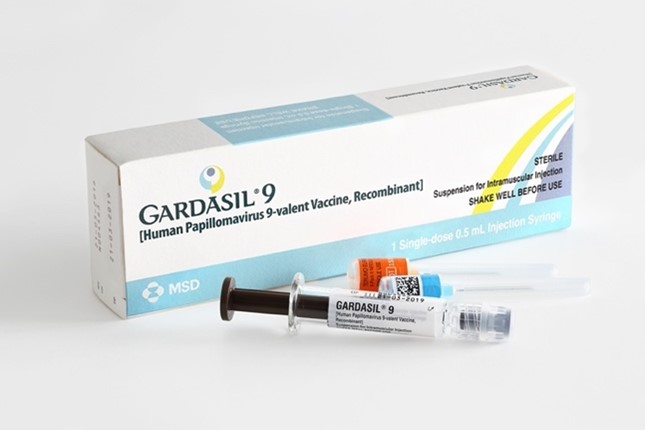
GARDASIL 9 is a vaccine indicated in girls and women from 9 through 45 years of age for the prevention of cervical, vulvar, vaginal cancer, precancerous or dysplastic lesions and genital warts caused by Human Papillomavirus (HPV). GARDASIL 9 also provides protection in girls and women 9-26 years against anal cancer.
GARDASIL 9 is indicated to prevent the following diseases: Cervical, vulvar, vaginal, and anal cancer caused by HPV types 16, 18, 31, 33, 45, 52, and 58; Genital warts (condyloma acuminata) caused by HPV types 6 and 11.
And the following precancerous or dysplastic lesions caused by HPV types 6, 11, 16, 18, 31, 33, 45, 52, and 58: Cervical intraepithelial neoplasia (CIN) grade 2/3 and Cervical adenocarcinoma in situ (AIS); Cervical intraepithelial neoplasia (CIN) grade 1; Vulvar intraepithelial neoplasia (VIN) grade 2 and grade 3; Vaginal intraepithelial neoplasia (VaIN) grade 2 and grade 3; Anal intraepithelial neoplasia (AIN) grades 1, 2, and 3.
GARDASIL 9 is indicated in boys and men from 9 through 26 years of age for the prevention of anal cancer, anal precancerous or dysplastic lesions and external genital lesions (including genital warts) caused by HPV.
GARDASIL 9 is indicated to prevent the following diseases: Anal cancer caused by HPV types 16, 18, 31, 33, 45, 52, and 58; Genital warts (condyloma acuminata) caused by HPV types 6 and 11.
And the following precancerous or dysplastic lesions caused by HPV types 6, 11, 16, 18, 31, 33, 45, 52, and 58: Anal intraepithelial neoplasia (AIN) grades 1, 2, and 3.
Gardasil 4
In girls and women 9-45 years for the prevention of cervical, vulvar, vaginal cancer; precancerous or dysplastic lesions and genital warts caused by HPV. Provides protection in girls and women 9-26 years against anal cancer.
Prevent the following diseases: Cervical, vulvar and vaginal, and anal cancer caused by HPV types 16 and 18; genital warts (condyloma acuminata) caused by HPV types 6 and 11; and the following precancerous or dysplastic lesions caused by HPV types 6, 11, 16 and 18: Cervical intraepithelial neoplasia (CIN) grade 2/3 and cervical adenocarcinoma in situ (AIS); cervical intraepitelial neoplasia (CIN) grade 1; vulvar intraepithelial neoplasia (VIN) grades 2 and 3; vaginal intraepithelial neoplasia (VaIN) grades 2 and 3; anal intraepithelial neoplasia (AIN) grades 1, 2 and 3.
In boys and men 9-26 years, for the prevention of anal cancer caused by HPV types 16 and 18 and genital warts (condyloma acuminata) caused by HPV types 6 and 11; precancerous or dysplastic lesions caused by HPV types 6, 11, 16 and 18 eg, anal intraepithelial neoplasia (AIN) grades 1, 2 and 3.
Pneumococcal
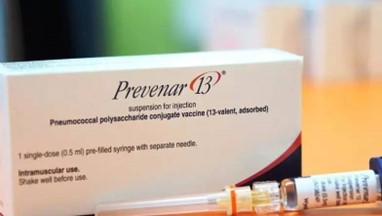
Pneumococcal disease is common in young children, but older adults are at greatest risk of serious illness and death. There are two kinds of vaccines that help prevent pneumococcal disease.
The bacterium Streptococcus pneumoniae (S. pneumoniae) , which is also known as pneumococcus, causes pneumococcal disease.
Invasive pneumococcal disease is a life-threatening condition that is fatal in 10 percent of cases. Older people and those with underlying medical conditions have a higher risk than others of serious complications.
Regular vaccinations can prevent many types of pneumococcal disease and the potential complications that may arise.
Active immunisation for the prevention of pneumococcal disease caused by Streptococcus pneumoniae serotypes 1, 3, 4, 5, 6A, 6B, 7F, 9V, 14, 18C, 19A, 19F and 23F (including invasive disease, pneumonia and acute otitis media) in infants, children and adolescents from 2 months to 17 years of age.
Active immunisation for the prevention of pneumococcal disease caused by Streptococcus pneumoniae serotypes 1, 3, 4, 5, 6A, 6B, 7F, 9V, 14, 18C, 19A, 19F and 23F in adults aged 18 years and older.
Influenza
Influenza is a viral infection that attacks your respiratory system — your nose, throat and lungs. Influenza is commonly called the flu, but it’s not the same as stomach ”flu” viruses that cause diarrhea and vomiting.
For most people, influenza resolves on its own. But sometimes, influenza and its complications can be deadly. People at higher risk of developing flu complications include:
- Young children under age 5, and especially those under 12 months
- Adults older than age 65
- Residents of nursing homes and other long-term care facilities
- Pregnant women and women up to two weeks postpartum
- People with weakened immune systems
- People who have chronic illnesses, such as asthma, heart disease, kidney disease, liver disease and diabetes
- People who are very obese, with a body mass index (BMI) of 40 or higher
Though the annual influenza vaccine isn’t 100 percent effective, it’s still your best defense against the flu.
Prevention of influenza, especially in those who run an increased risk of associated complications. The use of Influvac should be based on official recommendations. Vaccination is particularly recommended for the following categories of patients, depending on national immunization policies: Persons ≥65 years, regardless of their health condition; adults and children with chronic disorders of the pulmonary or cardiovascular systems, including asthma; chronic metabolic diseases eg, diabetes mellitus; chronic renal dysfunction; immunodeficiencies due to disease or immunosuppressant medication (eg, cytostatics or corticosteroids) or radiotherapy; children and teenagers (6 months to 18 years) who receive long-term acetylsalicylic acid-containing medication, and might therefore be at risk for developing Reye’s syndrome following an influenza infection.
This vaccine can also inject before travel for protection .
Twinrix A+B
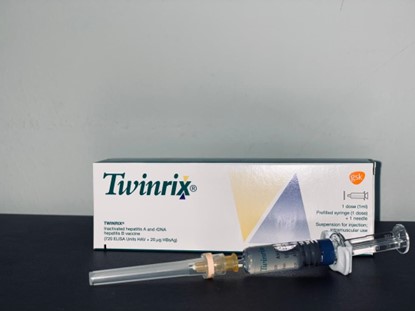
The standard primary course of vaccination with Twinrix Adult consists of three doses, the first administered at the elected date, the second one month later and the third six months after the first dose.
In exceptional circumstances in adults, when travel is anticipated within one month or more after initiating the vaccination course, but where insufficient time is available to allow the standard 0, 1, 6 month schedule to be completed, a schedule of three intramuscular injections given at 0, 7 and 21 days may be used. When this schedule is applied, a fourth dose is recommended 12 months after the first dose.
The recommended schedule should be adhered to. Once initiated, the primary course of vaccination should be completed with the same vaccine.
Hepatitis A
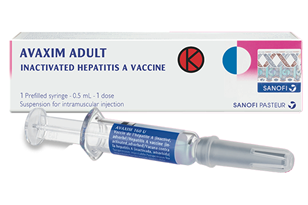
It is not yet fully established whether immunocompetent individuals who have responded to hepatitis A vaccination will require booster doses as protection in the absence of detectable antibodies may be ensured by immunological memory. Guidelines for boosting are based on the assumption that antibodies are required for protection; anti-HAV antibodies have been predicted to persist for at least 10 years.
In situations where a booster dose of both hepatitis A and hepatitis B are desired, Twinrix Adult can be given. Alternatively, subjects primed with Twinrix Adult may be administered a booster dose of either of the monovalent vaccines.
Hepatitis B
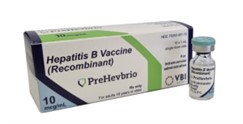
The need for a booster dose of hepatitis B vaccine in healthy individuals who have received a full primary vaccination course has not been established; however some official vaccination programmes currently include a recommendation for a booster dose of hepatitis B vaccine and these should be respected.
For some categories of subjects or patients exposed to HBV (e.g; haemodialysis or immunocompromised patients) a precautionary attitude should be considered to ensure a protective antibody level ≥ 10IU/l.
Typhoid Vaccination
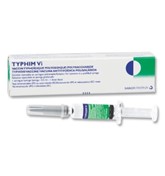
Being in the Food & Beverage (aka. F&B) Industry, did you get your typhoid injection already?
Typhoid Vaccination is compulsory for all food and beverages handlers under the Malaysian Food Act 1983 and Food Hygiene Regulation 2009. It is also essential for those travelling to countries where typhoid (Salmonella Typhi) is common.
Staffs getting typhoid vaccinations is mandatory to ensure the health and safety of consumers especially during the preparation of food.
We provide vaccination card as a proof of injection; each vaccination lasts for three (3) years.
On-site typhoid vaccination available upon request with a minimum of 10 doses or above. Typhoid Injections in Klang Valley available. (Requires appointment)

Book Your Appointment Now
Flexible appointments and urgent care.
Or call — 012 - 501 5933

Better Health Care is Our Mission
Same Day Appointments are Available.